
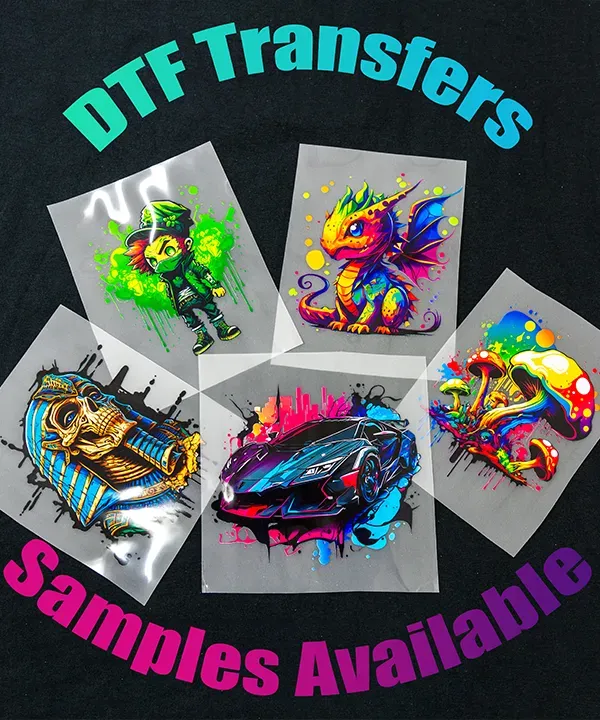
DTF transfers are reshaping apparel decoration, offering a versatile and cost-effective option for both small-batch production and custom orders. At the heart of this method is the DTF transfer process, which combines printing on a clear film with a fine adhesive powder and heat-press bonding to the fabric. The result is bright, durable prints that work across cotton, blends, and even dark textiles, expanding design possibilities for brands and makers. When evaluating methods, the direct comparison of DTF vs DTG helps determine fit for different fabrics and production scales. For buyers sourcing equipment, the guide highlights best DTF printers and how to assess reliability, support, and total cost of ownership.
Beyond the name, this print-on-film approach is often described as a film-based transfer, a direct-to-film decoration technique that blends digital design with fabric-friendly adhesion. By moving from screens to cinema-like imagery on flexible PET film, the process supports on-demand customization without the long lead times of traditional methods. The concept also aligns with other digital textile methods, emphasizing colors, gradients, and reliable adhesion on a broad range of fabrics. Practitioners value the ability to test designs quickly, store artwork digitally, and scale production as orders grow, while maintaining wash-fastness and dimensional stability. Designers should consider substrate compatibility, color management, and post-transfer care to maximize the life of each image. Overall, this modern transfer route offers a flexible, scalable alternative for brands seeking customization without the upfront investment of traditional screen printing.
DTF transfers: What they are and why they matter for apparel
DTF transfers are a modern approach to garment decoration that blends digital design flexibility with durable, heat-applied adhesion. By printing onto a clear PET film and using a powder adhesive, the image can be transferred to a wide range of fabrics. This method expands the decorating canvas beyond traditional screen printing and many dye-sub applications, making it a versatile option for both small-batch production and on-demand orders.
In the context of apparel, DTF printing for apparel offers notable advantages: vibrant color, especially on dark fabrics, easy workflow for short runs, and broad fabric compatibility—from cotton to blends. These benefits make DTF transfers a compelling choice for startups testing new designs or screen-printers expanding into digital workflows, all while keeping setup times relatively low and inventory risk manageable.
How DTF transfers work: the transfer process from design to fabric
Understanding how DTF transfers work begins with the design phase. Artwork is prepared in a graphics program with careful color separation for CMYK, and sometimes spot colors. For dark fabrics, you’ll typically mirror the image so the final print reads correctly after transfer. This sets the stage for a smooth conversion from screen to film.
The actual transfer workflow then moves through a series of precise steps: printing onto a PET film with white and CMYK inks, applying a clear adhesive powder, curing the powder, and finally transferring the image to fabric using heat and pressure. A peel (hot or cold) completes the process. This sequence, described in the DTF transfer process, underpins the durability and vibrancy you expect from a finished DTF print.
DTF vs DTG: choosing the right approach for your apparel line
DTF printing for apparel and direct-to-garment (DTG) are both viable digital methods, but they serve different needs. DTG prints directly on fabric and can yield a soft hand with high detail, yet performance on dark fabrics can require pretreatment and colorfastness can vary. DTF, by contrast, tends to deliver stronger adhesion across a wider range of fabrics—especially dark textiles—often with less pretreatment and more consistent results.
When deciding between DTF vs DTG, consider run size, fabric variety, and turnaround needs. DTF is typically more economical for small-to-medium runs and customized orders where color complexity is high and screens would be costly to create. DTG may still be preferable for very soft hand on light fabrics with simpler color designs, but for mixed fabrics, darks, or rapid prototyping, DTF often offers greater flexibility and reliability.
Equipment essentials for DTF printing: best DTF printers, films, powders, and presses
Getting started with DTF printing for apparel requires a compatible setup. A printer capable of white ink plus CMYK channels is essential, and many models marketed for DTF or DTG workflows can be adapted to this use. Beyond the printer, you’ll need PET film, adhesive powder, a curing system, and a heat press. Each component plays a role in achieving full adhesion and vibrant color across fabrics.
When selecting equipment, many shops look for features that balance cost, reliability, and print quality—the so-called best DTF printers. It’s wise to read independent reviews, test sample designs, and confirm ink compatibility and white-ink reliability. Pairing the printer with a robust curing station and a heat press that provides even heating and consistent pressure helps ensure repeatable results across runs.
Maximizing durability, color accuracy, and care for DTF prints
DTF transfers can deliver durable, high-fidelity prints when you optimize fabric compatibility, color management, and curing. Cotton, cotton blends, poly-cotton blends, and many synthetics respond well to underbase strategies and proper heat treatment. Calibrating your printer and monitor helps align on-color results, and using swatches can verify gradients and color fidelity before production.
Care and maintenance are essential to longevity. Proper curing of the adhesive powder is critical, as undercured prints can peel or lift. Follow precise press times, temperatures, and pressure for each fabric type, and advise customers to wash garments inside out in cool water with mild detergent. By documenting a consistent SOP for design prep, printing, curing, transfer, and care, you’ll maximize durability and color retention for every DTF project.
Frequently Asked Questions
What are DTF transfers and how can they benefit apparel with DTF printing for apparel?
DTF transfers are a modern method of decorating garments by printing designs onto a clear PET film, applying adhesive powder, curing, and using a heat press to bond the image to fabric. For apparel, DTF printing for apparel delivers vibrant colors, strong durability, and compatibility with cotton, blends, and dark fabrics. This makes on‑demand printing, small runs, and multi‑color designs easier and more cost‑effective than traditional HTV or screen printing in many scenarios.
How DTF transfers work: a high‑level overview of the DTF transfer process
The typical DTF transfer process starts with design prep and color separation, then printing on PET film with white ink and CMYK. After printing, adhesive powder is applied and cured. The film is then placed face‑down on the garment and pressed with a heat press to transfer the image. Finally, the film is peeled away, leaving a durable, vibrant print on the fabric.
DTF vs DTG: when to choose DTF transfers over DTG for apparel
Choose DTF transfers when you need flexibility across fabrics (including dark garments), smaller to mid‑size runs, or faster setup for multi‑color designs. DTF generally offers stronger color fastness on a wider range of fabrics and lower pretreatment requirements, while DTG may suit soft hand on light fabrics and very high detail. Consider DTF transfers for on‑demand and mixed‑fabric catalogs.
What equipment and materials do you need for DTF printing for apparel, and which are the best DTF printers to consider?
Key DTF equipment includes a printer capable of white ink plus CMYK, PET film, adhesive powder, a curing system, and a heat press. You’ll also need appropriate DTF inks. For best results, look for printers known for reliable white ink performance, good after‑sale support, and scalable maintenance. Research and test with sample designs to identify the best DTF printers for your budget and production goals.
What are common issues with DTF transfers and how can you troubleshoot to ensure long‑lasting results?
Common issues include translucent white underbases, cracking or peeling after washing, color fading, and film lifting during transfer. Troubleshooting tips: ensure proper curing of the adhesive powder, verify correct heat, time, and pressure for the fabric, calibrate color and reprint swatches, and confirm film and powder quality. Following best practices and a clear SOP helps maximize durability and wash performance.
| Aspect | Key Points |
|---|---|
| What are DTF transfers? | A modern method that prints designs onto PET film, applies adhesive powder, cures, and transfers the image to fabric using heat. Results are vibrant and durable on a wide range of fabrics, including cotton, blends, and dark textiles. |
| Why DTF transfers matter for apparel | Offers color vibrancy and smooth gradients, especially on dark fabrics; enables on-demand printing with short setup times; lowers inventory risk for small runs; versatile across many fabrics and garment types. |
| How DTF transfers work (high-level) | 1) Design prep and color separation; 2) Print onto PET film with white and CMYK inks; 3) Apply adhesive powder; 4) Cure the powder; 5) Transfer with heat press; 6) Peel and finish (hot or cold). |
| DTF versus other methods | Compared to DTG, DTF often offers better durability on diverse fabrics and less pretreatment; compared to screen printing, DTF is advantageous for small to medium runs and multi-color designs with quicker setup. |
| Equipment & materials | Printer capable of white ink + CMYK; PET film and adhesive powder; curing system; heat press; appropriate inks and chemistry; reliable drying/curing setup. |
| Fabric compatibility & color management | Works on cotton, blends, poly-cotton, and some synthetics; dark fabrics need a white underbase; calibrate color between monitor and print; test with swatches and color separations. |
| Durability, care, wash performance | Proper curing and pressing yield durable prints that withstand multiple washes; follow prewash/pretreatment guidelines where needed; wash inside out in cool water and avoid high heat. |
| Cost, ROI & production efficiency | Lower per-print costs for small-to-mid runs, faster setup for personalized orders, and reduced need for screens; ROI depends on ink, film, powder costs, and utilization. |
| Best practices | Run controlled test batches; maintain equipment; optimize for on-demand workflows; document SOPs to reproduce consistent results. |
| Common myths | DTF is only for light fabrics; prints won’t last; expensive equipment is mandatory—quality outcomes are achievable with accessible components and disciplined workflows. |
Summary
DTF transfers summarize a flexible, on-demand approach to apparel decoration, combining digital design with reliable adhesion across varied fabrics. The process—printing on PET film, applying adhesive powder, curing, and heat transferring—delivers vibrant, durable results that work well on cotton, blends, and dark textiles. Compared with DTG and traditional screen printing, DTF offers advantages in color vibrancy, setup speed, and fabric versatility, particularly for small runs and personalized orders. Success hinges on selecting compatible equipment (white-ink capable printers, PET film, powders, curing and pressing equipment), managing fabric types and color accuracy, and following best practices for curing, pressing, and post-care. With thoughtful workflow optimization, DTF transfers can drive faster turnarounds, lower per-unit costs, and scalable growth for apparel brands and print shops. For anyone exploring on-demand apparel decoration, mastering DTF transfer workflows, equipment choices, and quality control unlocks a powerful competitive edge.