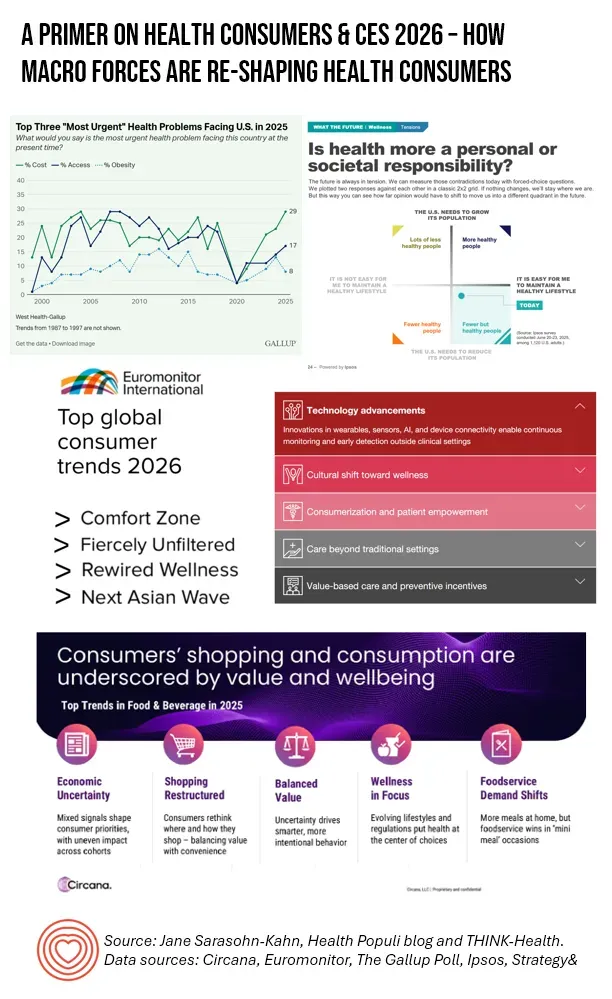
How health news influences wellness decisions shapes how individuals interpret risk, interpret conflicting studies, adjust daily routines, decide whether to try a new diet, increase or reduce supplements, overhaul sleep and exercise patterns, modify travel or work plans for preventive care, and even decide how much trust to place in medical advice when headlines flash across screens, feeds, and social channels, often triggering emotional reactions that guide actions before careful consideration occurs in daily life and in the choices people live with day to day.In our fast-paced information ecosystem, readers are exposed to a continuous stream of study abstracts, expert quotes, patient anecdotes, and media narratives, and the way these elements are framed—as warnings, breakthroughs, or seemingly definitive conclusions—can tilt perceived risk and benefits, nudging choices in ways that feel urgent but may not reflect the best available evidence; the concept of ‘health news influence on wellness’ and ‘media influence on health decisions’ often appears in discussions about consumer behavior, underscoring how narratives shape decision-making beyond the data.