
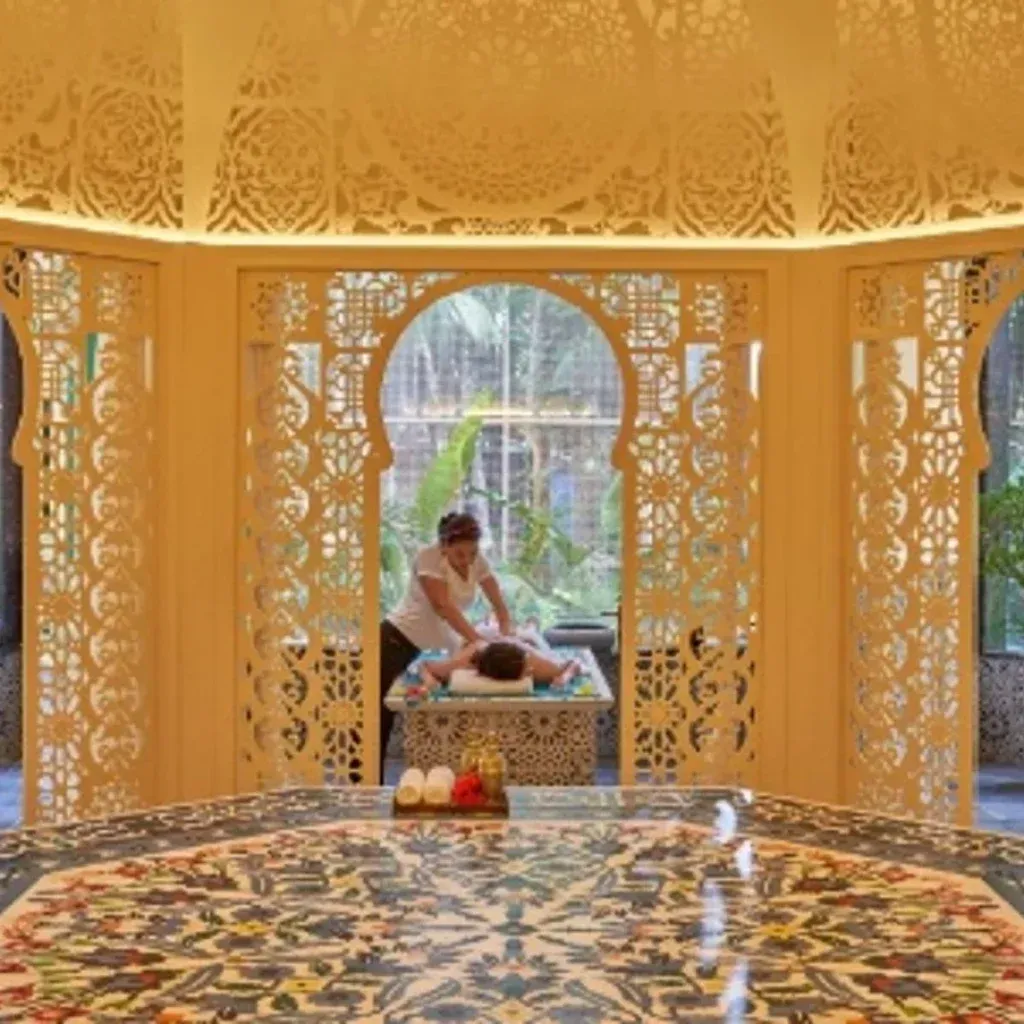
Turkish hammam etiquette is a doorway to a centuries-old ritual that blends cleansing, pause, and social warmth. This approach emphasizes quiet conversations, gentle movements, and a respectful pace that honors fellow guests. A traditional hammam experience invites you to slow down, inhale steam, and engage with a culture where modesty guides every gesture. From Istanbul to modern spa sections, mindful preparation and respectful behavior help you participate confidently. Reading this guide helps you blend personal comfort with shared tradition, ensuring a calm, mindful visit.
In other terms, the practice can be described as a bathhouse ritual or steam-centered ceremony, all guided by traditional guidelines. Many travelers also encounter a concept that emphasizes respect, privacy, and a patient, unrushed rhythm. Across venues—from century-old bathhouses to contemporary spa suites—the core etiquette remains about shared space, mindful touch, and clear communication with attendants. If you need practical guidance, staff can explain dress codes and sequence, ensuring comfort without compromising the reverence of the experience.
1. Understanding Hammam Etiquette: Turkish Bath Etiquette, Do's and Don'ts, and Respectful Practice
Navigating a Turkish hammam begins with understanding the core principles of hammam etiquette. This includes quiet, mindful movement, respectful interactions with staff, and consideration for fellow guests sharing the steam and scrub spaces. By aligning with these expectations, you contribute to a serene atmosphere that honors centuries of tradition and ensures everyone can relax and cleanse in comfort.
From a broader perspective, Turkish bath etiquette emphasizes modesty, patience, and mindful body care. Observing the pace of the ritual, avoiding loud conversations, and following staff instructions helps protect privacy and safety. Whether you’re visiting a historic bathhouse or a modern spa section, the enduring values—respect, mindfulness, and a gentle presence—shape a positive, traditional hammam experience for all participants.
2. What to Wear in a Hammam: Attire Guidelines for Comfort and Modesty
Attire is a personal choice but the overarching guideline remains modesty and comfort. In most traditional settings, guests wrap themselves in a pestemal, a lightweight cotton towel, or use a wrap that provides warmth and freedom of movement. Some venues allow wearing a swimsuit beneath the wrap, while others encourage the pestemal directly on the skin, particularly in steam zones where heat and humidity are intense.
Practical considerations include bringing a clean pestemal or towel, a small washcloth for cleansing, and non-slip footwear for wet floors. Jewelry and accessories are best left behind to avoid snagging on textures or scratching other guests. Clear personal hygiene routines—arriving clean and rinsing before the formal sequence—support a comfortable, respectful experience for everyone.
3. The Traditional Bathing Sequence: A Step-by-Step Guide to the Traditional Hammam Experience
A traditional hammam session unfolds in a gentle progression designed to cleanse, relax, and honor the ritual. Guests begin with a pre-wash and steam, allowing pores to open and muscles to loosen before exfoliation. The marble surfaces and warm air create a meditative setting where breathing slows and attention turns inward.
Exfoliation with a kese followed by soap lather is a hallmark of the traditional hammam experience. An attendant or partner performs the scrub, then a soap massage or foam rinse cleanses and soothes the skin. The final rinse in a cooler room, accompanied by quiet rest, completes the sequence and invites hydration and reflection.
4. Interacting with Attendants and Respectful Space: Staff Guidance, Privacy, and Do's and Don'ts
Communication with the staff is essential for a smooth, respectful visit. Before scrubs or massages, share medical concerns, preferred pressure levels, and any sensitivities. This openness helps attendants tailor the experience to your needs while maintaining the integrity of the traditional ritual.
Privacy and respectful behavior are central to the hammam environment. Avoid intrusive photography, loud conversations, or rushed movements, and follow staff directions about timing and sequence. By treating staff and fellow guests with courtesy, you contribute to a peaceful, cooperative atmosphere that underpins the traditional hammam experience.
5. Modern Hammams vs. Traditional Practices: Blending Do's, Don'ts, and What to Expect in a Turkish Bath
Modern hammams often blend traditional rituals with private spa amenities, offering a balance between a traditional hammam experience and contemporary comfort. While some venues emphasize intimate, private sessions, others preserve communal spaces and the classic sequence. Regardless of setting, the core do's and don'ts—respect, modesty, and patience—remain constant.
Understanding the nuances between traditional hammam etiquette and contemporary spa practices helps you set expectations for what to wear, how to interact, and what to expect during the cleansing and exfoliation steps. If in doubt, ask staff for guidance on the specific practices at a given venue, so you can participate in a Turkish bath do's and don'ts informed by local customs and venue policies.
Frequently Asked Questions
What is Turkish hammam etiquette and why is it important for a respectful visit?
Turkish hammam etiquette, or Turkish bath etiquette, centers on modesty, quiet conversation, and following staff directions. It helps create a tranquil space for everyone and honors the traditional ritual, whether you are in Istanbul or a modern spa.
What to wear in a hammam and how should you dress for comfort and modesty?
In most traditional hammams you wear a pestemal wrap or lightweight wrap for modesty. Some venues allow a swimsuit under the wrap; remove jewelry and wear flip-flops. Bring a small washcloth for cleansing and adjust your attire to the venue’s policy.
What are the Turkish bath do's and don'ts during a hammam session?
Do arrive early to adjust to the pace; communicate preferences and any medical concerns before the scrub; wrap in a pestemal and keep modesty. Don’t photograph others, don’t insist on an aggressive scrub, don’t bring phones or food into steam areas, and don’t rush the experience.
How does the traditional hammam experience differ from modern spa environments?
The traditional hammam experience emphasizes ritual, pace, and communal warmth with steps like pre-wash, kese exfoliation, soap massage, and a final rinse. Modern spa hammam experiences may offer private, tailored therapies, but the core etiquette—respect and mindfulness—remains the same.
What should I expect in the bathing sequence in a traditional hammam experience and how can I communicate preferences to staff?
Expect a progression: pre-wash and steam, exfoliation with a kese, a soap massage or foam rinse, then a rinse and quiet rest. To participate confidently, communicate intensity, temperature, and exfoliation preferences to staff before each step, and ask questions if anything is unclear.
| Aspect | Key Points |
|---|---|
| What is a Turkish hammam? | - Public bath rooted in Roman and Ottoman traditions; - Rooms with varying temperatures (hot steam, warm drying area); - Cleansing steps: kese exfoliation, soap lather, massage; - Core idea: calm, respect, mindful self-care. |
| Basics of hammam etiquette | - Respect for other guests, modesty, quiet conversations; - Follow staff directions; - Not a place for loud talk, rushed behavior, or intrusive photography. |
| Attire and personal hygiene | - Modesty and comfort; wear a pestemal (towel) or wrap; - Some venues allow swimsuits with a wrap; - Remove jewelry; - Bring pestemal and a washcloth; - Wear flip-flops for hygiene. |
| The bathing sequence | - Pre-wash and steam: rinse, warm steam opens pores; - Exfoliation with kese and soap; - Massage or foam rinse; - Rinse and relaxation; stay hydrated. |
| Do’s and don’ts | Do: arrive calmly, communicate preferences and medical concerns, wrap modestly, greet attendants, stay hydrated. Don’t: photograph without consent, demand aggressive scrubs, bring phones/music/food to steam areas, rush the process, neglect aftercare. |
| Attire, modesty, and practical considerations | - Prioritize modesty, comfort, cultural respect; pestemal protects skin and clothing; staff may provide towels for modesty. - Separate or gender-segregated areas may exist; follow guidelines, keep voices low, respect privacy. |
| Cultural nuances and tips for first-time visitors | - Staff may guide on kese usage and steps; sessions typically 45 minutes to over an hour. - Communicate intensity, temperature, and exfoliation level. - Allow time for rest between steps; pace matters. |
| Traditional vs modern spa environments | - Traditional hammam emphasizes ritual, pace, communal warmth; modern spas may offer private, tailored therapies. - Core values—respect, mindfulness, gentle presence—remain; ask staff if unsure. |
| Common mistakes to avoid | - Plan visits in advance; clarify prices, packages, and steps. - Keep voices low and movements gentle; respect others’ experience. - Speak up if uncomfortable; leave valuables secure. |
| Note on etiquette for guests and seasons | - Some hammams offer women-only hours or mixed spaces; follow local guidelines. - If you prefer a private space or specific treatment, request politely within venue policies. |
Summary
Table summarizes the base content in English, covering what a Turkish hammam is, etiquette basics, attire, the bathing sequence, do's/don'ts, cultural tips, and differences between traditional and modern setups. The conclusion follows in Turkish, describing Turkish hammam etiquette and how to engage respectfully with this cultural practice.