
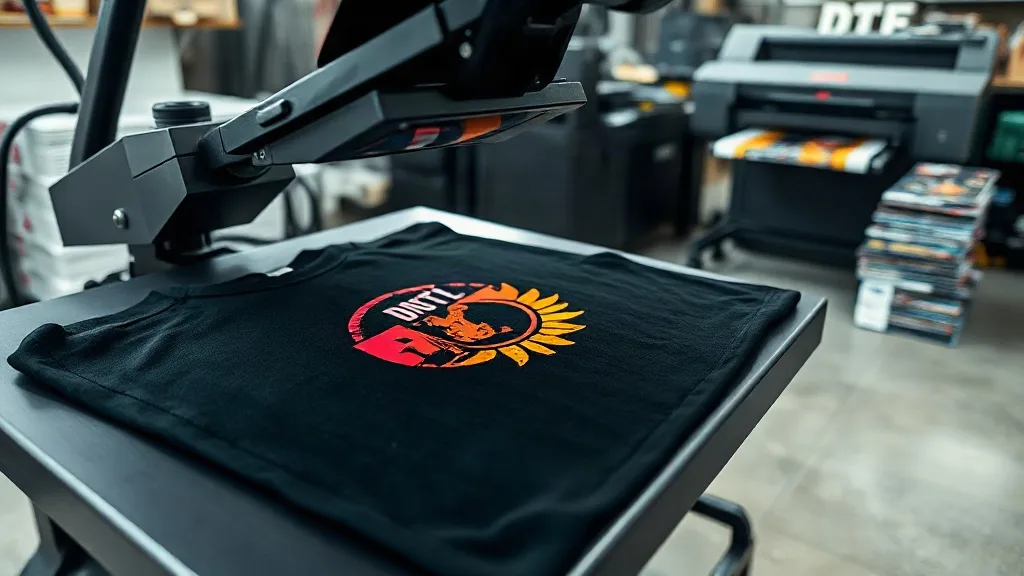
When you first dive into the world of custom apparel, the array of printing methods can feel overwhelming. Screen printing, heat transfer vinyl, sublimation, and direct-to-garment each have their loyal fans. But there's one technology that has been quietly gaining momentum among small shops and large brands alike: dtf transfers. If you're looking for a way to produce full-color, durable prints on a wide range of fabrics without the setup costs of screen printing, DTF might just be your new best friend.
What Are DTF Transfers?
DTF stands for Direct-to-Film. The process involves printing your design onto a special PET film using water-based pigment inks. While the ink is still wet, a layer of adhesive powder is applied, then the film is cured. The result is a transfer that can be stored and later applied to fabric using a heat press. Unlike DTG, which prints directly onto the garment, DTF allows you to prepare transfers in advance and apply them on demand. This makes it incredibly versatile for small businesses that want to offer custom apparel without investing in expensive equipment.
Why Choose DTF Transfers for Your Custom Apparel?
There are several compelling reasons why dtf transfers have become a go-to method for apparel decorators. Let's break down the key benefits.
Vibrant, Full-Color Prints
DTF transfers can reproduce intricate details and gradients with stunning accuracy. Because the design is printed on film, you're not limited by the color of the garment or the complexity of the artwork. Whether you're printing a photorealistic image or a simple logo, the colors will pop.
Works on Almost Any Fabric
One of the biggest advantages of DTF is its compatibility with a wide range of materials. Cotton, polyester, blends, and even nylon can be decorated with DTF transfers. This flexibility means you can offer custom prints on everything from 100% cotton t-shirts to performance wear and canvas bags.
Durable and Long-Lasting
When applied correctly, DTF transfers are incredibly durable. They withstand repeated washing without cracking, peeling, or fading. The key is proper application and caring for the garment as recommended.
Cost-Effective for Small Runs
Screen printing requires separate screens for each color, which can be expensive for small orders. DTF, on the other hand, has no per-color setup fees. You can print one-off designs or small batches without breaking the bank. This makes it ideal for small businesses, startups, and individuals who want to test designs before scaling up.
No Weeding or Masking Required
Unlike heat transfer vinyl (HTV), DTF transfers don't require weeding or masking. The film is printed with the design and then applied directly to the fabric. This saves a significant amount of time and labor, especially for complex designs with many small elements.
The DTF Transfer Process: Step by Step
Understanding the workflow can help you appreciate the simplicity and efficiency of DTF. Here's a quick overview:
- Design Preparation: Create your artwork in a graphics program and ensure it's mirrored (unless your printer software does it automatically).
- Printing: Load the DTF film into your printer and print the design using pigment inks.
- Powder Application: While the ink is wet, sprinkle adhesive powder evenly over the design. Shake off excess.
- Curing: Place the film in a curing oven or under a heat source to melt the powder. This creates a dry, tacky surface.
- Heat Press Application: Preheat your heat press to the recommended temperature (usually around 300°F to 320°F). Place the transfer on the garment, cover with a Teflon sheet or parchment paper, and press for 10-15 seconds.
- Peel: Wait for the transfer to cool completely (cold peel) before removing the film. This ensures the adhesive bonds properly.
Choosing the Right DTF Supplies
Quality supplies make all the difference. Here are some factors to consider when sourcing DTF materials:
- Film: Look for film that is compatible with your printer and offers good ink absorption. Matte film is common, but some prefer glossy for certain effects.
- Ink: Use high-quality DTF pigment inks designed specifically for the process. Cheap inks can clog printheads and produce dull colors.
- Powder: Adhesive powder comes in different mesh sizes. Finer powder (e.g., 80-100 microns) is generally better for detailed designs.
- Heat Press: A reliable heat press with even pressure and accurate temperature control is essential for consistent results.
Common DTF Mistakes and How to Avoid Them
Even seasoned pros can run into issues. Here are a few pitfalls to watch out for:
- Insufficient pressure: If the heat press pressure is too low, the transfer won't adhere properly. Adjust according to your press's specifications.
- Incorrect temperature: Too hot and the film may melt or the ink may scorch; too cold and the adhesive won't activate.
- Not pre-pressing the garment: Always pre-press the garment to remove moisture and wrinkles. This helps the transfer bond evenly.
- Peeling too soon: Cold peel is crucial for DTF. Peeling while hot can cause the design to lift or distort.
- Using the wrong powder: Not all adhesive powders are created equal. Use one specifically formulated for DTF.
DTF vs. Other Printing Methods
How does DTF stack up against screen printing, DTG, and HTV? Here's a quick comparison:
- Screen Printing: Better for large orders and simple designs, but setup costs are high. DTF wins for small runs and complex art.
- DTG: Excellent for cotton, but limited on synthetics. DTF works on almost any fabric.
- HTV: Good for simple one-color designs, but weeding is time-consuming. DTF handles intricate designs with ease.
Applications of DTF Transfers
DTF isn't just for t-shirts. You can use it on:
- Hoodies and sweatshirts
- Tote bags and backpacks
- Aprons and workwear
- Sportswear and jerseys
- Promotional items like caps and beanies
Getting Started with DTF: A Practical Checklist
Ready to dive in? Follow this checklist to set yourself up for success:
- Choose a reliable DTF printer that fits your budget and production volume.
- Stock up on quality film, ink, and powder from a reputable supplier.
- Invest in a good heat press with consistent pressure and temperature.
- Practice on scrap fabric to dial in your settings.
- Keep a log of temperature, pressure, and time for each fabric type.
- Educate your customers on proper washing and care to prolong the life of their prints.
Frequently Asked Questions
How long do DTF transfers last?
With proper application and care, DTF transfers can last as long as the garment itself. They are resistant to cracking and fading, but always follow washing instructions (inside out, cold water, no bleach) to maximize longevity.
Can I use DTF on dark-colored shirts?
Absolutely. DTF transfers include a white ink layer that acts as a base, allowing vibrant colors to show up on dark fabrics. This is one of the key advantages over other methods.
Do I need a special printer for DTF?
Yes, you need a DTF printer that uses pigment inks and is designed to print on film. However, some converted inkjet printers can be used with DTF inks, but it's essential to ensure compatibility.
What is the difference between DTF and DTG?
DTG prints directly onto the garment, while DTF prints onto a film that is then transferred. DTF works on more fabric types and doesn't require pretreatment, but DTG can be more efficient for high-volume cotton orders.
Can I stretch DTF prints?
DTF transfers have some stretchability, but they are not as elastic as the fabric itself. For stretchy fabrics like spandex, consider using a stretchable DTF film or blending with a small percentage of elastane.
Final Thoughts
DTF transfers have revolutionized the custom apparel industry by offering a versatile, cost-effective, and high-quality printing solution. Whether you're a small business owner looking to expand your product line or a hobbyist wanting to create personalized gifts, DTF is worth exploring. With the right supplies and a bit of practice, you'll be producing professional-grade prints in no time. So why not give it a try? Your customers will love the vibrant, durable results.