
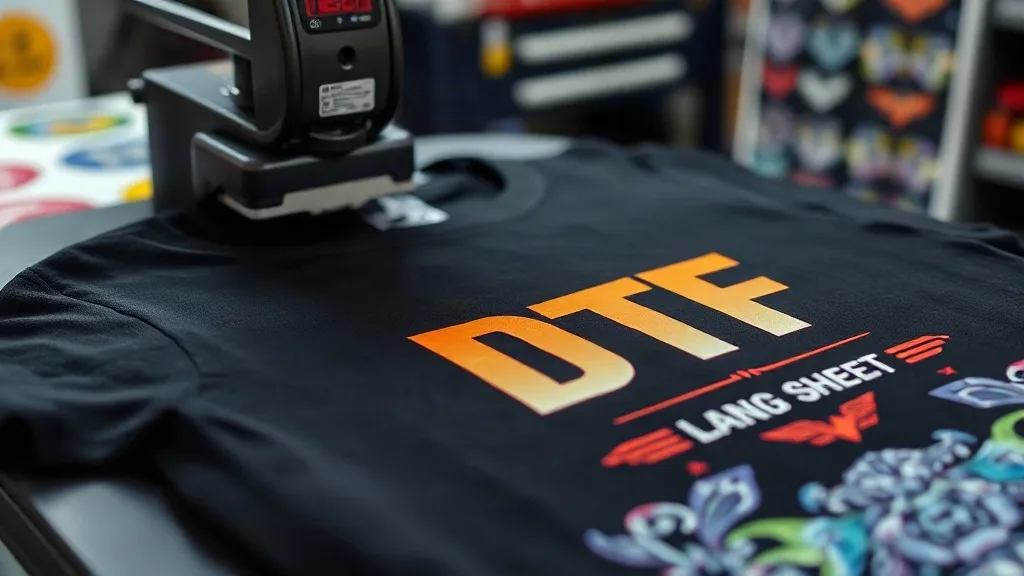
You've just pulled a fresh DTF transfer off the press. The colors pop, the details are crisp, and the customer is thrilled. But will the next order look the same? If you're running a print shop, you know that consistency is everything. One batch that's slightly off can lead to returns, bad reviews, and lost trust. The good news is that with a few smart practices, you can make dtf transfers a reliable, profit-driving part of your business.
Why Color Consistency Matters More Than Ever
In today's competitive market, customers expect perfection. They see vibrant, high-definition prints on social media and assume that's the standard. When they order from you, they're not just buying a shirt; they're buying an experience. If the colors are dull or inconsistent, they'll notice. And they'll likely go elsewhere next time.
But consistency isn't just about keeping customers happy. It's also about your bottom line. Rework costs time and money. Every misprint eats into your profit margin. By nailing color consistency, you reduce waste, speed up production, and build a reputation for quality that commands higher prices.
The Building Blocks of Consistent DTF Prints
Achieving repeatable results starts with the fundamentals. Let's break down the key areas you need to control.
1. Choose the Right DTF Supplies
Not all DTF films and powders are created equal. Cheap supplies might save you a few cents upfront, but they can cost you dearly in wasted time and materials. Invest in high-quality film that releases cleanly and powder that melts evenly. Establish a relationship with a reliable supplier who tests their products rigorously. When you find a combination that works, stick with it. Changing brands frequently introduces variables that can throw off your color.
2. Master Your Printer Settings
Your printer is the heart of your DTF operation. But are you using it to its full potential? Many shops run their printers on default settings, which may not be optimized for DTF. Take the time to calibrate your printer for the specific film and powder you use. Adjust ink limits, color profiles, and print modes. Run test prints regularly and compare them to a reference sample. Small tweaks can make a big difference in color vibrancy and accuracy.
3. Control the Environment
Temperature and humidity affect how ink adheres to film and how powder melts. If your shop is too dry, you might get static and uneven powder application. If it's too humid, the film can absorb moisture and cause problems during transfer. Aim for a stable environment, ideally around 68-72°F (20-22°C) and 40-60% relative humidity. Use a hygrometer to monitor conditions and adjust as needed.
4. Perfect Your Pressing Technique
The heat press is where the magic happens, but it's also where things can go wrong. Consistency in temperature, pressure, and time is critical. Invest in a quality heat press with accurate controls. Use a laser thermometer to verify the platen temperature, as dials can be off. Apply even pressure across the entire transfer. And don't rush the peel; wait for the recommended time and peel smoothly. Practice on scrap fabric until you can reproduce perfect results every time.
Common Pitfalls and How to Avoid Them
Even experienced shops run into issues. Here are some common problems and their solutions.
- Dull or faded colors: Often caused by insufficient pressure or incorrect temperature. Check your press settings and ensure the transfer is fully adhered.
- Inconsistent powder application: Shake the powder well before use and apply it evenly. Consider using a powder shaker for better control.
- Film jams: Make sure your printer is clean and the film is loaded correctly. Static can cause jams, so use an anti-static device if needed.
- Cracking after washing: This usually indicates under-pressing or poor-quality powder. Increase pressure or switch to a higher-quality powder.
Building a Repeatable Workflow
Consistency doesn't happen by accident; it's the result of a documented process. Create a standard operating procedure (SOP) for your DTF workflow. Include steps for printer maintenance, film loading, powder application, pressing, and quality checks. Train your team on the SOP and make sure everyone follows it. Keep a log of settings and results so you can troubleshoot quickly if something goes wrong.
Also, consider investing in a dtf gangsheet builder to streamline your production. Gangsheets allow you to print multiple designs on a single sheet, reducing waste and saving time. But they also require careful planning to ensure each transfer gets the right amount of powder and pressing. With a systematic approach, you can maximize efficiency without sacrificing quality.
Choosing a Local DTF Partner
If you're outsourcing your DTF transfers, finding the right partner is crucial. Search for dtf transfers near me and you'll likely find several options. But not all suppliers are created equal. Look for one that offers consistent quality, quick turnaround, and excellent customer service. Ask for samples and test them before committing to a large order. A reliable local partner can be an extension of your shop, helping you deliver outstanding results without the overhead of in-house production.
Turning Consistency into Profit
When you master color consistency, you unlock several profit-boosting benefits. First, you reduce waste, which directly improves your margins. Second, you build a reputation for quality, allowing you to charge premium prices. Third, you create loyal customers who come back again and again. And fourth, you can scale your business with confidence, knowing that every order will meet your high standards.
Remember, dtf transfers are more than just a printing method; they're a way to deliver exceptional value to your customers. By focusing on the details, you can turn a simple transfer into a lasting impression.
Frequently Asked Questions
How often should I calibrate my DTF printer for color consistency?
Calibrate your printer whenever you change film or powder brands, and at least once a month for regular maintenance. If you notice a shift in color output, recalibrate immediately.
What's the best way to store DTF transfers to maintain color vibrancy?
Store unused transfers in a cool, dry place away from direct sunlight. Keep them flat and avoid folding. Proper storage prevents moisture absorption and color fading.
Can I use DTF transfers on dark and light fabrics with the same settings?
Yes, but you may need to adjust pressing time and pressure slightly. Dark fabrics often require a bit more pressure to ensure the white ink layer adheres properly. Always test on a scrap piece first.
How do I choose the right DTF powder for my shop?
Consider your fabric types and desired finish. Fine powder works well for detailed designs, while coarser powder is better for bold graphics. Order samples from suppliers and test them to see which gives you the best results.
What should I do if my DTF transfers crack after washing?
Cracking usually means the transfer wasn't pressed with enough pressure or the powder was low quality. Try increasing pressure and ensure the transfer is completely cool before peeling. If the problem persists, switch to a higher-quality powder.