
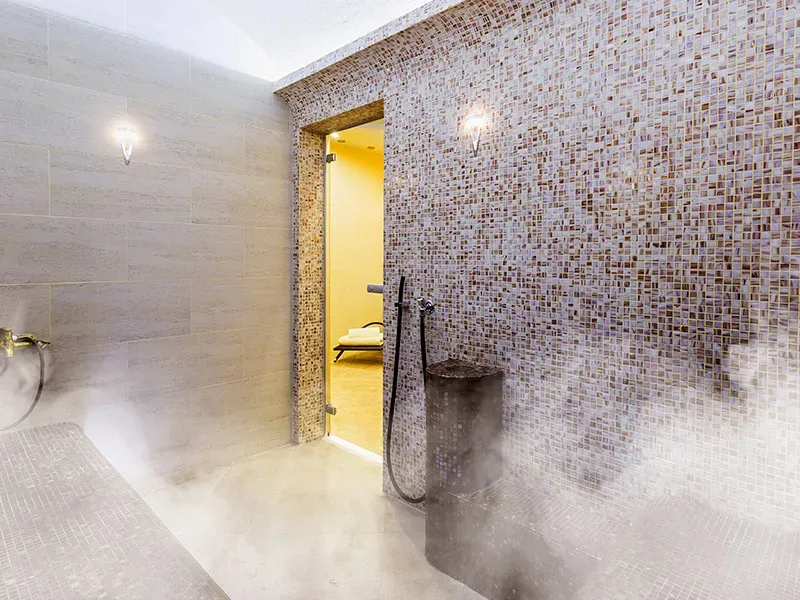
Turkish Hammam at Home is more than a cleansing routine—it's a mindful, spa-inspired ritual that blends heat, steam, and skincare into a calming daily practice. If you’ve visited a hammam in Turkey or Morocco, you know the experience hinges as much on atmosphere and intention as on cleansing, which is why turning a bathroom into a mini spa fits under the umbrella of home spa ideas. This guide helps you recreate authentic elements—gentle heat, humidity, an exfoliation ritual, and nourishing oils—so you can enjoy a restorative routine without leaving your space. From choosing the right tools like a kese and a mild cleanser to embracing DIY hammam rituals and a soothing steam ambiance, you can weave tradition into daily life. Read on to learn simple steps, product ideas, and safety tips that make your Turkish Hammam at Home both authentic and accessible.
To frame this concept through different terms, think of a hammam-inspired home spa practice that leverages warmth, humidity, and deliberate touch. A Turkish steam bath at home can be approached as a ritualized self-care routine rather than a chore, pairing cleansing with exfoliation and nourishment. By framing it as a bathhouse-inspired home ritual, you tap into the same wellness benefits while adapting to a modern bathroom. Ultimately, this approach aligns with broader home spa ideas and DIY wellness projects that emphasize mindful breathing, gentle care, and consistent routines.
Turkish Hammam at Home: Space, Humidity, and Atmosphere
Creating the right atmosphere is the first step to a truly spa-like experience. Design a space that feels warm, humid, and inviting, turning a bathroom corner into a soothing steam chamber—an approach that aligns with popular home spa ideas. Even a modest setup can evoke the pampering cadence of a steam room at home, provided you manage humidity, airflow, and temperature with care.
A practical layout helps sustain the habit: a sturdy stool or bench for seated rituals, a kese (exfoliating mitt) hung within reach, a basin for warm water, and a small container of olive oil or a fragrance-free lotion for aftercare. Ventilation matters as much as heat, so consider a gentle exhaust or a dehumidifier to keep the space comfortable rather than overwhelmed. With these elements in place, your bathroom becomes a dedicated sanctuary for mindful cleansing and skin-nourishing rituals.
The Core Ritual: Cleanse, Heat, Exfoliate, and Moisturize
At the heart of the Turkish Hammam at Home is a deliberate sequence that blends cleansing, moist heat, and exfoliation. Begin with a pre-wash to open pores, then gradually introduce warmth and humidity to soften skin and relax muscles—an essential component of DIY hammam rituals. The exfoliation ritual follows, using a kese mitt to lift dead skin in gentle circular motions, focusing on elbows, knees, and heels.
After exfoliation, rinse away residue and apply a light layer of oil or fragrance-free moisturizer while the skin is still warm to lock in moisture. This measured, rhythmical routine not only nourishes the skin but also calms the mind. Keep the pace slow and steady to honor your skin’s sensitivity and to preserve the ritual’s restorative benefits.
Scents, Ambience, and Lighting to Elevate Your Hammam Experience
Atmosphere matters as much as technique. Subtle scents can deepen the sense of ritual without overpowering the senses, using gentle options like eucalyptus, citrus peels, or rosemary to evoke a spa-at-home mood. A light mist of aroma during steam can blend with the humidity to create a refreshing, clean scent profile that enhances the overall experience.
Lighting and sound help sustain the calm: warm LEDs, softly flickering candles (when safe), and a quiet environment contribute to a focused, meditative mood. Soft music, a steady breath, and well-ventilated air prevent the space from feeling claustrophobic, ensuring the ambience supports long, restorative sessions rather than a rushed routine.
Tools and Products: Kese Mitts, Soaps, and Safe Exfoliants
A Turkish Hammam at Home relies on a few trusted tools and gentle skincare products. The kese mitt paired with olive oil-based soap or a mild, fragrance-free cleanser forms the cleansing backbone, while optional natural exfoliants such as ground coffee, sugar, or sea salt offer occasional boosts. A simple towel, robe, and a basin for warm water complete the kit, making it easy to maintain a consistent ritual in line with home spa ideas.
Choose products thoughtfully to suit sensitive skin: fragrance-free cleansers and minimal essential oils reduce irritation, and rotating products keeps your routine fresh. After each session, rinse tools thoroughly and allow them to dry completely to prevent mold. By keeping hygiene front and center, you preserve the ritual’s longevity and effectiveness.
Benefits, Maintenance, and Common Mistakes to Keep It Lasting
The practice delivers benefits beyond mere cleansing: reduced stress, improved circulation, and smoother skin, all wrapped in a mindful routine that supports overall well-being. Regular sessions can become a cherished weekly ritual, complementing broader home spa ideas and reinforcing a calmer, more balanced daily life.
To sustain the experience, avoid common pitfalls like over-exfoliating, skipping rinses, or neglecting hydration. Maintain a simple upkeep routine—cleanse and dry tools after each use, refresh exfoliating gloves every few months, and ensure adequate ventilation. When implemented with patience and consistency, what started as a small ritual can become a meaningful, sustainable form of self-care and a true Turkish bath at home.
Frequently Asked Questions
What is a Turkish Hammam at Home and why is it more than a cleaning ritual?
A Turkish Hammam at Home is a spa-inspired ritual that blends heat, humidity, exfoliation, and nourishment to cleanse, relax, and revitalize the skin. It emphasizes atmosphere and intention as much as cleansing, using a warm, humid space, a kese exfoliating mitt, a mild olive oil–based cleanser, and mindful pacing. This routine supports relaxation, skin softness, and overall well-being beyond simple cleansing.
What are the essential steps in the DIY hammam rituals for a Turkish Hammam at Home?
Key steps include a gentle cleanse, controlled heat to open pores, exfoliation with a kese mitt, a thorough rinse, and moisturization while the skin is warm. Tailor the ritual to your skin type and space, maintain a steady rhythm, and prioritize safety over speed to keep the experience calming and effective.
How can I set up a steam room at home to support a comfortable Turkish Hammam at Home experience?
Create a warm, humid space in or near your bathroom using a shower enclosure, a small basin, and, if possible, a portable steam generator. Include a sturdy bench or stool, a kese mitt hanger, a water basin, and a spot for applying oil or moisturizer. Ensure ventilation and adjust humidity to a comfortable level for a relaxing, spa-like vibe.
What exfoliation ritual techniques work best for a Turkish Hammam at Home while protecting the skin?
Focus on the kese mitt for gentle circular motions on rough areas like elbows, knees, and heels, avoiding irritated patches. If using granular exfoliants, apply sparingly and rinse thoroughly. Follow with a hydrating layer of olive oil, jojoba oil, or a fragrance-free moisturizer while the skin is warm to lock in moisture.
What safety and comfort considerations should I follow when creating a Turkish Hammam at Home as part of home spa ideas?
Prioritize hydration, start with short, mild sessions, and ensure proper ventilation to manage humidity. Use fragrance-free or low-fragrance products if you have sensitive skin, and gradually increase heat and duration as you become accustomed. Maintain hygiene by cleansing tools after use and rotating products to suit your skin and environment.
| Aspect | Key Points | Practical Tips |
|---|---|---|
| Purpose | Creates a spa-like, mindful ritual blending heat, steam, exfoliation, and oils to support relaxation, skin health, and mental well-being. | Aim for a calm environment; emphasize atmosphere and intention. |
| Space Setup | Choose a humid, warm space (bathroom, shower enclosure, corner) with a layout including a bench, kese, water basin, oil, and non-slip mat. | Goal is steady humidity and comfortable temperature; consider portable steam or basin-based humidity; ensure ventilation. |
| Tools & Materials | Kese mitt, olive oil-based soap or mild cleanser, natural exfoliants (optional), towel/robe, basin, oil, and optional essential oils. | Use fragrance-free cleansers if sensitive; limit essential oil use to a few drops in water/diffuser. |
| Safety & Comfort | Hydration, gradual heat exposure, gentle scrubbing, and good ventilation. | Drink water; start with short sessions and monitor skin; adjust heat and duration as needed. |
| Ritual Steps | Pre-wash, heat/humidity, exfoliate with kese, rinse, moisturize, and rest. | Follow a steady sequence; adapt durations to comfort. |
| Ambience | Aromatics and soft lighting to enhance relaxation (eucalyptus, citrus, rosemary). | Keep scents gentle; use warm lighting or candles; moderate humidity after ritual. |
| Maintenance | Cleanse tools after use; replace exfoliating gloves; rotate products; keep space ventilated. | Dry tools thoroughly; store in a clean, dry place; replace every 2–3 months. |
| Common Mistakes | Over-scrubbing, skipping rinse, neglecting hydration, improper heat. | Go slow, listen to skin, maintain hydration, moderate heat and humidity. |
| Benefits | Relaxation, improved circulation, softer skin, and a sustainable weekly ritual. | Consistency yields better long-term results. |
Summary
Conclusion